
Crafting Volume! Embodying Fashion
From 12.12.2026 to 17.10.2027
With Crafting Volume! Embodying Fashion, the Palais Galliera explores the multiple ways of constructing, transforming, and reinventing the silhouette, from the seventeenth century to the present day, and places the body at the heart of its approach.
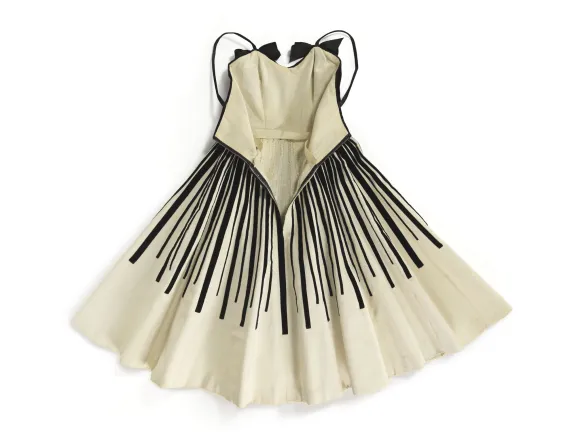
- Horaires : Tuesday to Sunday from 10am to 6pm. Closed on Mondays. Late opening on Fridays until 9 pm
- Tarifs : Single ticket: €14 (reduced rate €12) Combined ticket for the two exhibitions: €17 (reduced rate €15) Free entry under 18 years
- Publics :
- Accès : En métro : ligne 9, Iéna ou Alma-Marceau . En RER : ligne C, Pont de l’Alma. À vélo : stationnements devant le musée.
-
Accessibility :
You are a group: Billetterie groupe
Tickets available soon.
Featuring over three hundred rarely exhibited pieces, including clothes, accessories, photographs, graphic arts, and tools, the exhibition shines a light on the diverse techniques used in fashion to cut fabric and create volume.
Visitors can learn about the three fundamental pillars of tailleur (tailoring), flou (draping), and maille (knitwear) that have been used to create volume, shape a silhouette, and adapt to the diverse body types of women, men, and children throughout the ages. Drawing on a selection of iconic items from the museum’s collections, as well as loans from historic fashion houses and emerging designers alike, the exhibition explores the specific features and challenges of these three major techniques that construct volume. The public are invited to discover the different stages involved in creating a fashion piece, from the initial preparatory sketch to the final finished garment. The presentation of a wide range of accessories—hats, gloves, and footwear—also allows visitors to see how these are crafted in relation to human anatomy.
From a structured nineteenth-century men’s frock coat to the remarkable draping of Madame Grès, or from a Second Empire crinoline dress to a supple yet functional knitwear ensemble by Sonia Rykiel, the exhibition explores how clothing shapes, accompanies, and reveals the body. Spanning more than four centuries of fashion, it also raises questions about the body standards constructed by society through fashion, which may be seen in the gradual standardization of clothing sizes. While bespoke made-to-measure clothing was the norm up until the early nineteenth century, the rise of ready-to-wear fashion—indisputably a more accessible and democratic approach—facilitated the mass reproduction of designs while also simplifying cuts. This evolution prompted reflection on how clothing can be worn across a diverse range of body types, whether these fall outside conventional standards of thinness, belong to individuals with disabilities, or change over the course of a person’s life, as is the case for pregnant women or growing children.
The museum also highlights the inventiveness of the artisans, designers, and manufacturers in clothing the body from head to toe. Over the course of its various sections and displays, the exhibition reveals what is usually kept hidden: the design and manufacturing stages, patterns, toiles (test garments), and prototypes, amongst others. Some pieces are displayed flat or opened, thus revealing the complexity of their construction and the ingenuity of certain hidden or invisible techniques.
Invited by the museum to lead a research project using artificial intelligence on its collections, artist Pierre Giner has created an interactive installation especially for the exhibition. The result transforms the contents of the Palais Galliera’s collections into an immense virtual wardrobe: a space where clothes are brought to life, where eras combine, and narratives are reimagined. In the manner of a fashion designer who disregards rigid chronologies, Pierre Giner uses AI simulations to come up with entirely new silhouettes, offering novel ways of representing a diverse range of body types and shapes.
From traditional artisanal know-how to digital innovation and 3D technology, Crafting Volume! Embodying Fashion shows how Paris has made a name for itself as an inventive fashion hub, from the past to the current day.
-
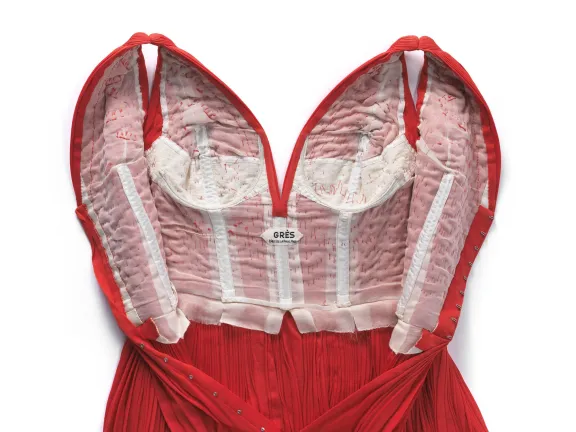
CC0 Paris Musées / Palais Galliera
Grès, Robe de cocktail (détail), haute couture, printemps-été 1961. Palais Galliera, musée de la Mode de Paris. -
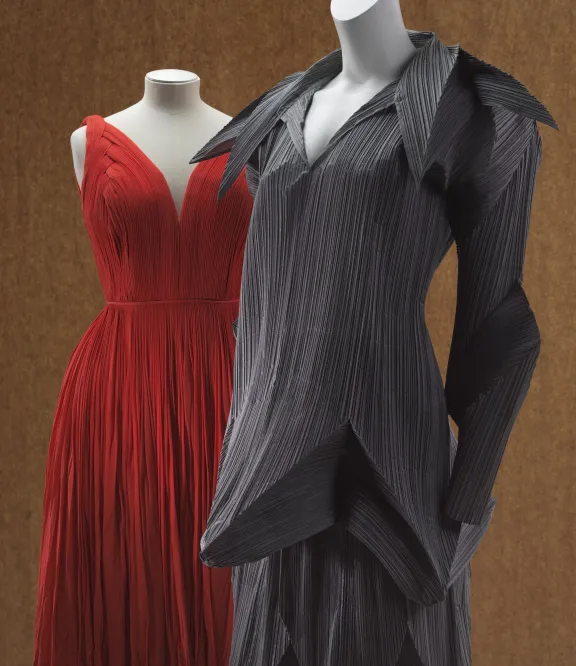
CC0 Paris Musées / Palais Galliera
Robe Grès et ensemble tunique et jupe Issey Miyake, printemps-été 1961 et printemps-été 1992. Palais Galliera, musée de la Mode de Paris. -
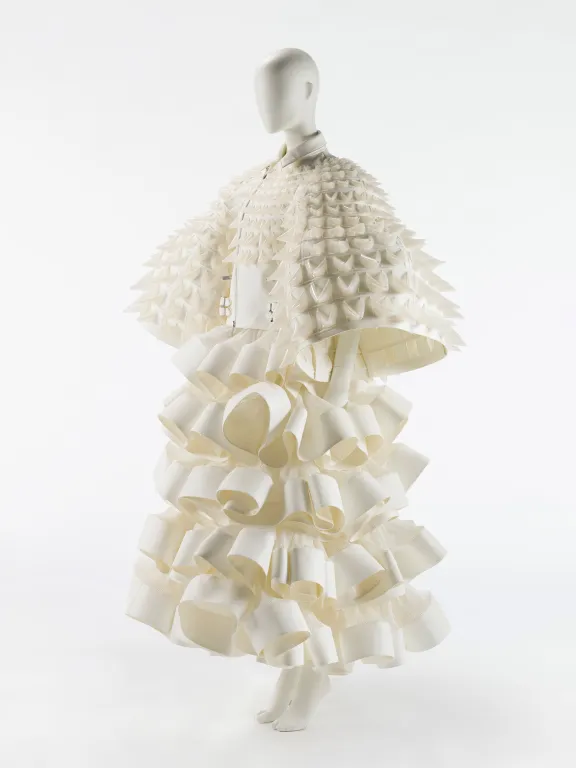
CC0 Paris Musées / Palais Galliera
Noir Kei Ninomiya, Ensemble blouson et jupe, prêt-à-porter, printemps-été 2020. Palais Galliera, musée de la Mode de Paris. -
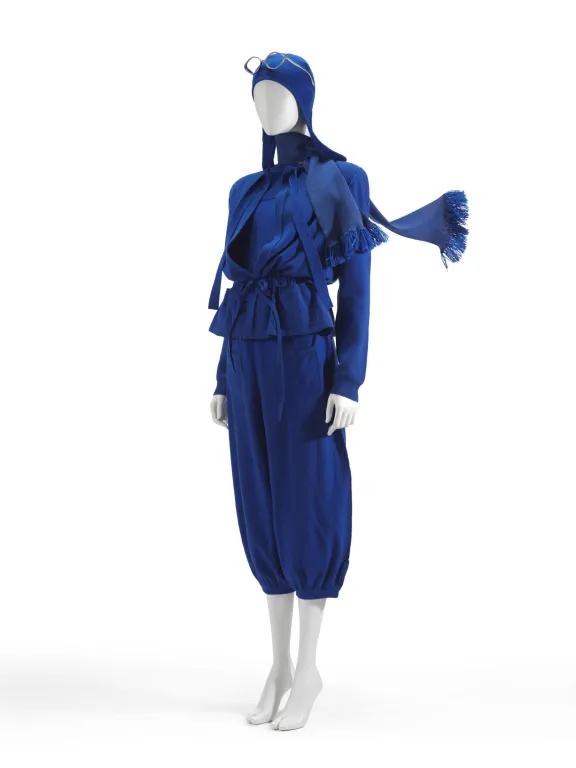
CC0 Paris Musées / Palais Galliera
Sonia Rykiel, Ensemble « Aviateur », prêt-à-porter, printemps-été 1981. Palais Galliera, musée de la Mode de Paris. -

CC0 Paris Musées / Palais Galliera
Veste « Buste Stockman » Martin Margiela et prototype de veste sans manches Yves Saint Laurent, printemps-été 1971 et printemps-été 1997. Palais Galliera, musée de la Mode de Paris.
CURATORS
Émilie Hammen, director of the Palais Galliera
Scientific curator
Marie-Laure Gutton, head of the Accessories Collections
Samy Jelil, curatorial assistant, and the entire conservation team